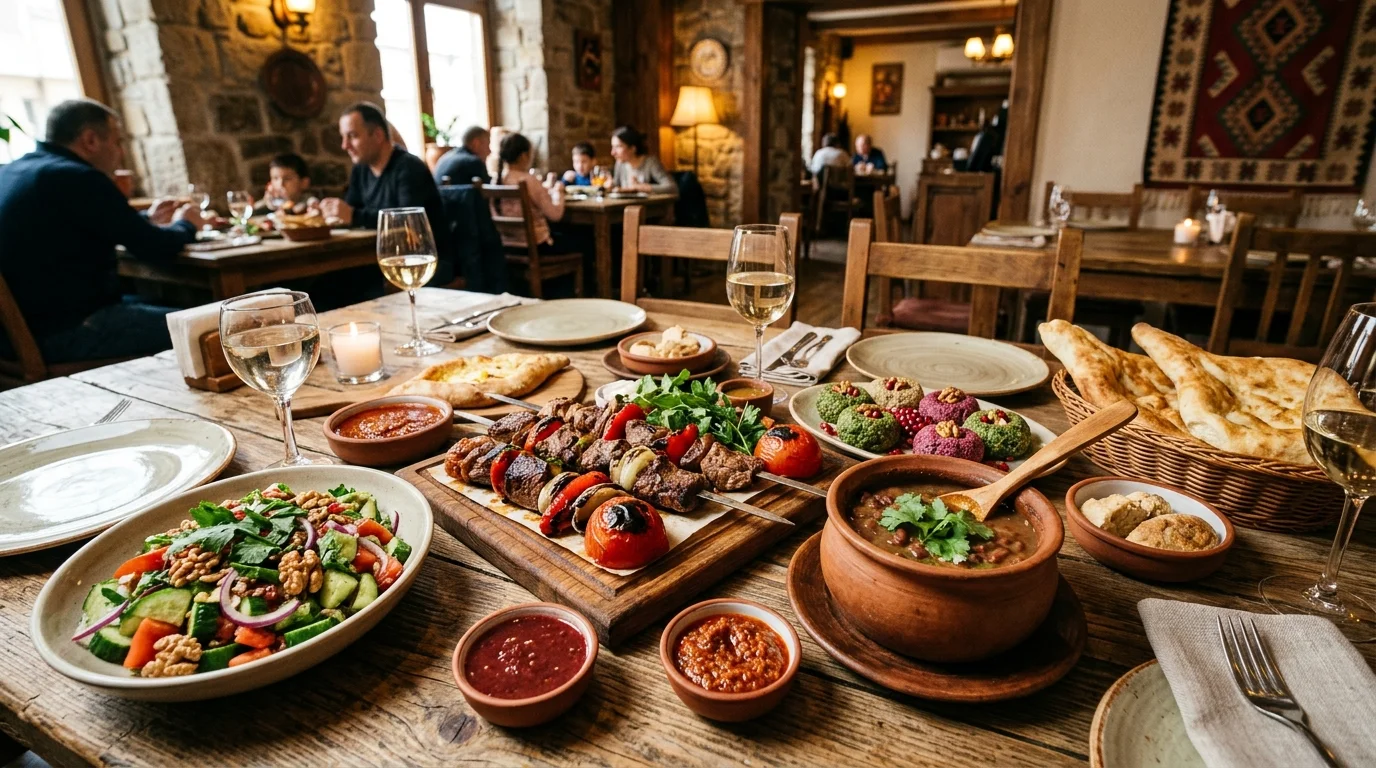
زيارة جورجيا دون تجربة مطبخها المحلي تعتبر فرصة ضائعة حقاً. يُعد المطبخ الجورجي وليمة متكاملة من النكهات والقوام المتنوع والتقاليد العريقة. بفضل موقع جورجيا الجغرافي الفريد على مفترق الطرق بين أوروبا وآسيا، استوعب تراثها في الطهي تأثيرات ثقافية عديدة مع الحفاظ على روح جورجية لا مثيل لها. من خبز الجبن الغني إلى اليخنات المعطرة بالتوابل، نقدم لكم في هذا الدليل أهم الأطباق الأصيلة التي يجب على كل مسافر تجربتها عند استكشاف تبليسي والريف الساحر. سواء كنت تتناول طعامك في حانة ريفية بسيطة أو في مطعم راقٍ، ستجعل هذه الأطباق الشهية رحلتك تجربة لا تُنسى.
خينكالي (Khinkali)
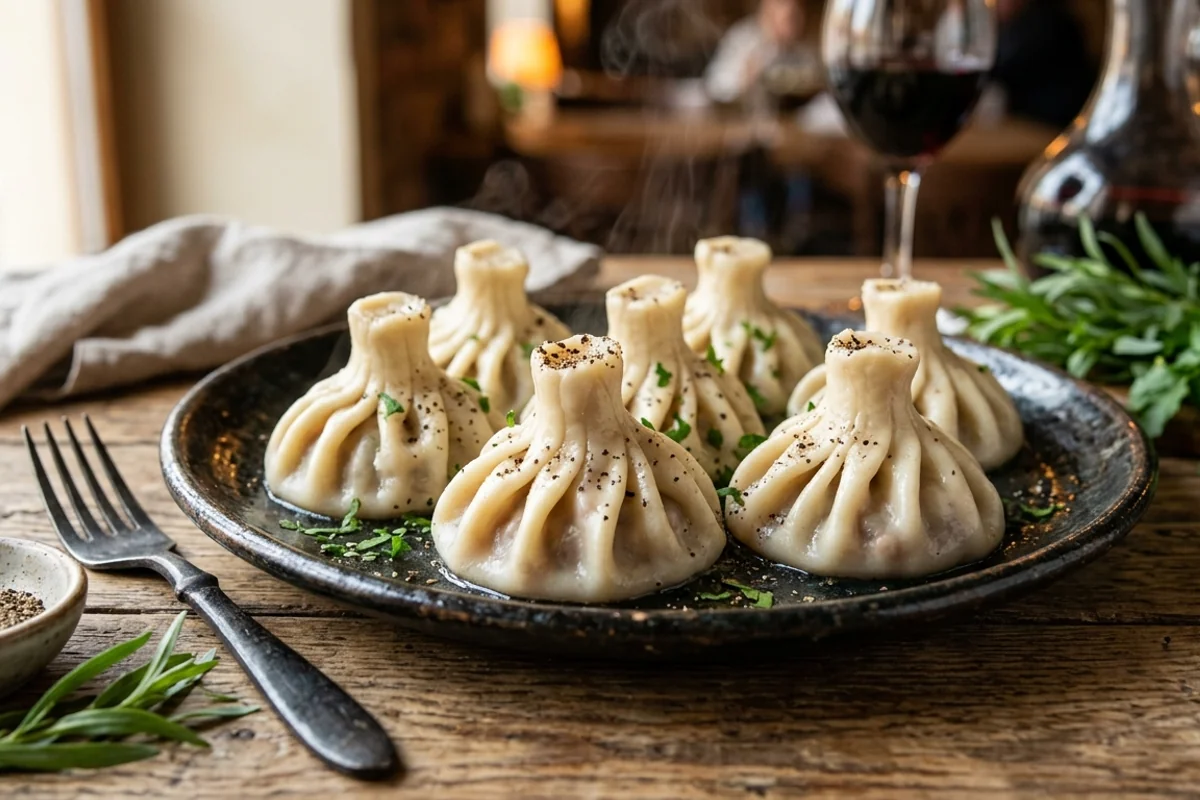
تعتبر هذه الفطائر المحشوة (التي تشبه المنتو) تحفة فنية حقيقية في المطبخ المحلي. تُحشى عادةً باللحم المفروم المتبل -غالباً مزيج من لحم البقر والضأن- ويمكن العثور عليها أيضاً بحشوات الفطر، أو الجبن، أو البطاطس المهروسة. يكمن سر جاذبية خينكالي في المرق الغني بالنكهات والمحبوس داخل العجين.
تُؤكل باليد وهي ساخنة، وتتطلب تقنية معينة للاستمتاع بها. السر هو إمساكها من العقدة العلوية السميكة (والتي لا تُؤكل عادةً بل تُستخدم كـ "مقبض")، ثم قضم فتحة صغيرة لامتصاص المرق اللذيذ والساخن بعناية، وبعدها التمتع بتناول باقي القطعة! إنها تجربة فوضوية ممتعة ولذيذة للغاية. لا تخجل من تناولها بيديك؛ فاستخدام الشوكة والسكين يُعتبر "خطيئة" في عالم الطهي الجورجي!
خاتشابوري (Khachapuri)
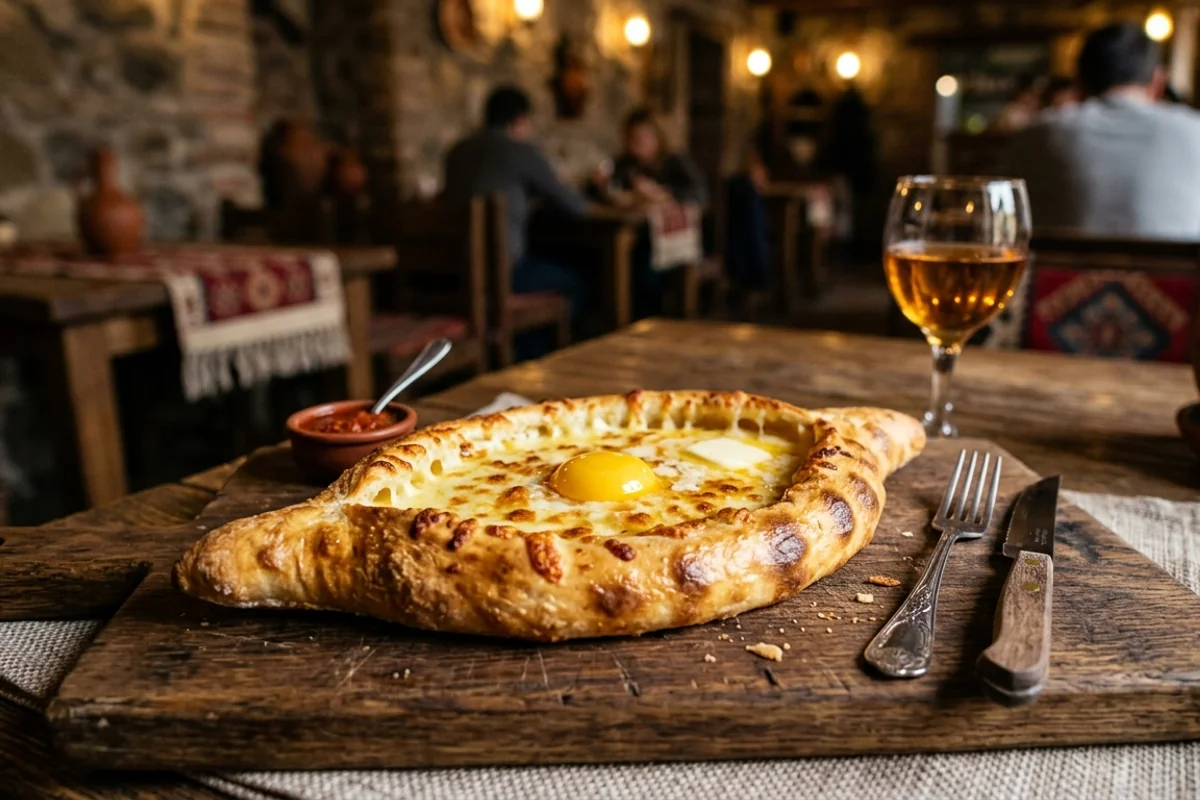
غالباً ما يوصف خاتشابوري بأنه فطيرة الجبن الوطنية في جورجيا، وهو عنصر أساسي على المائدة الجورجية، وتختلف طرق تحضيره بشكل كبير من منطقة إلى أخرى. النوع الأجاري (Adjarian)، الذي ينحدر من ساحل البحر الأسود، هو الأشهر عالمياً. يتكون من عجين على شكل قارب محشو بجبن "سولغوني" الذائب، ويعلوه صفار بيضة نيئة وقطعة غنية من الزبدة تُضاف قبل التقديم مباشرة. تقوم بقطع الأطراف المقرمشة وتغمسها في المنتصف الغني والمذاب.
إلى جانب ذلك، لا تفوت تجربة النوع الإيميريتي (Imeretian) (دائري ومغلق يشبه البيتزا المغطاة)، وهو الخيار الكلاسيكي اليومي الموجود على كل طاولة تقريباً، أو النوع المغريلي (Megrelian) المماثل للإيميريتي ولكنه مغطى بطبقة إضافية من الجبن المذاب من الأعلى.
متسفادي (Mtsvadi)
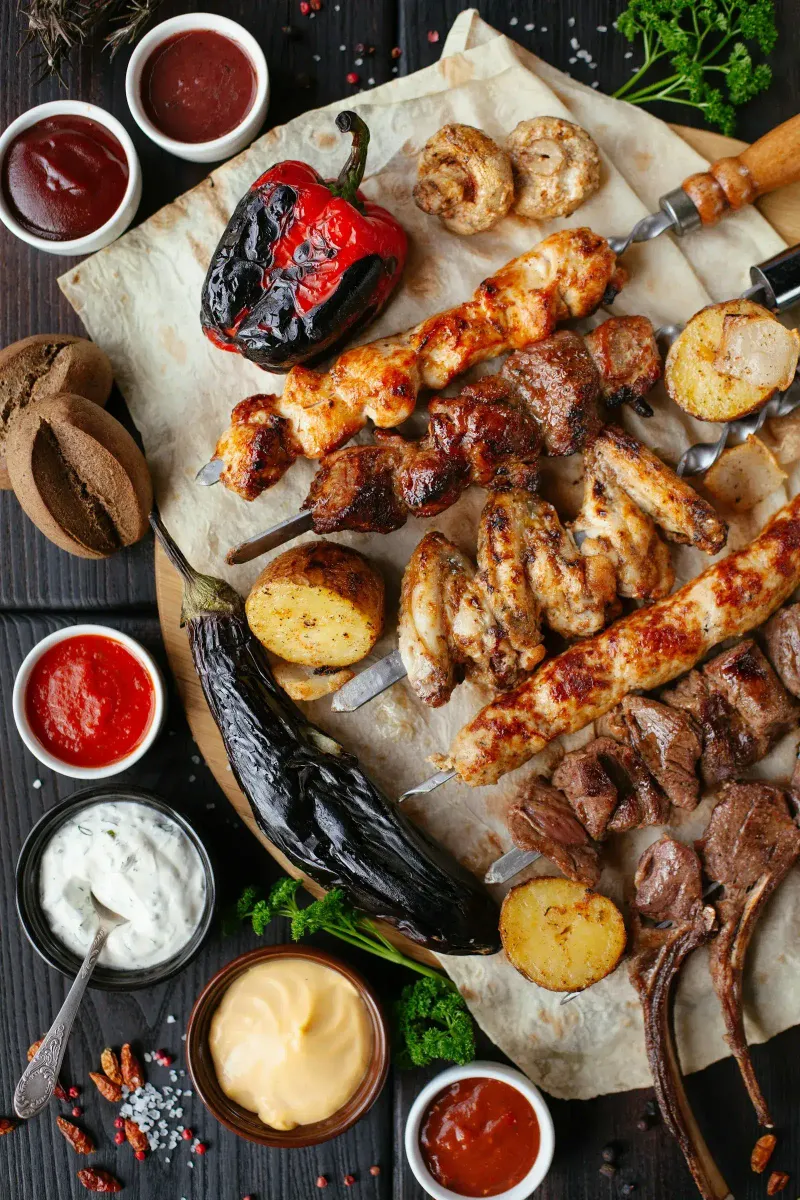
متسفادي هو النسخة الجورجية من أسياخ اللحم المشوي (الشاشليك)، وهو طبق يرتبط ارتباطاً وثيقاً بثقافة الشواء في الهواء الطلق. يُصنع غالباً من لحم العجل أو الضأن، ويُتبل بطريقة بسيطة جداً—أحياناً بالبصل والملح فقط—للسماح للنكهات الطبيعية للحم ونكهة الشواء على الفحم بالبروز.
تُقدم هذه الأسياخ المشوية عادةً مع شرائح البصل الطازجة، وحبات الرمان، وإلى جانب صلصة "تكيمالي" (صلصة البرقوق اللاذعة) أو "ساتسيبلي" (صلصة الطماطم الحارة). إنه طبق بسيط، ذو نكهة مدخنة، ولذيذ للغاية، وخاصة عند تناوله مع الخبز الجورجي الطازج.
لوبيو (Lobio)
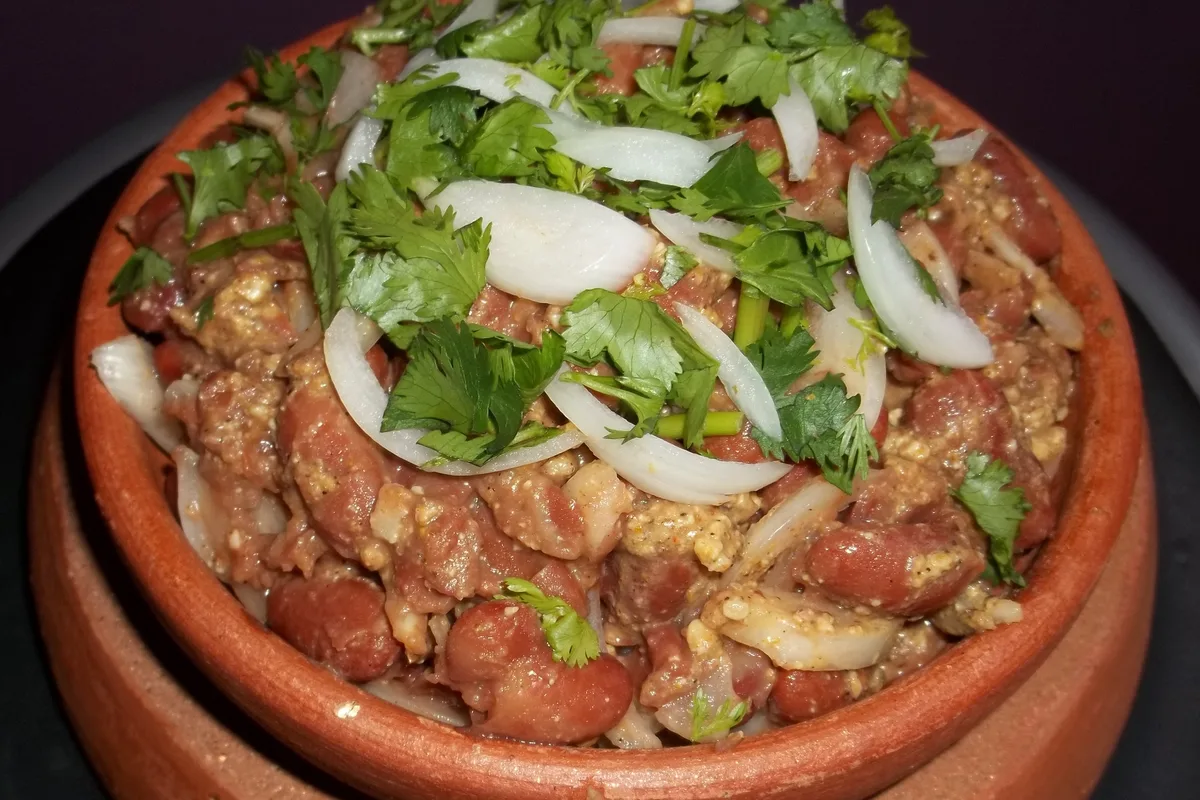
كلمة "لوبيو" تعني ببساطة "فاصوليا"، لكن هذا الطبق أبعد ما يكون عن البساطة. هي يخنة فاصوليا حمراء غنية بالتوابل، تُطهى ببطء وتُقدم في وعاء فخاري تقليدي. تُهرس الفاصوليا وتُنكّه بمزيج عطري من البصل، الجوز، الثوم، الكزبرة الطازجة، وتوابل محلية مميزة.
إنها خيار نباتي مشبع، يبعث على الدفء، ولذيذ جداً. يُقدم اللوبيو تقليدياً مع "مشادي" (خبز ذرة مقرمش ومقلي) ومجموعة من المخللات المحلية اللاذعة. التباين بين قوام اليخنة الكثيف وخبز الذرة المقرمش والمخللات المنعشة يجعله درساً في توازن النكهات.
بخالي (Pkhali)
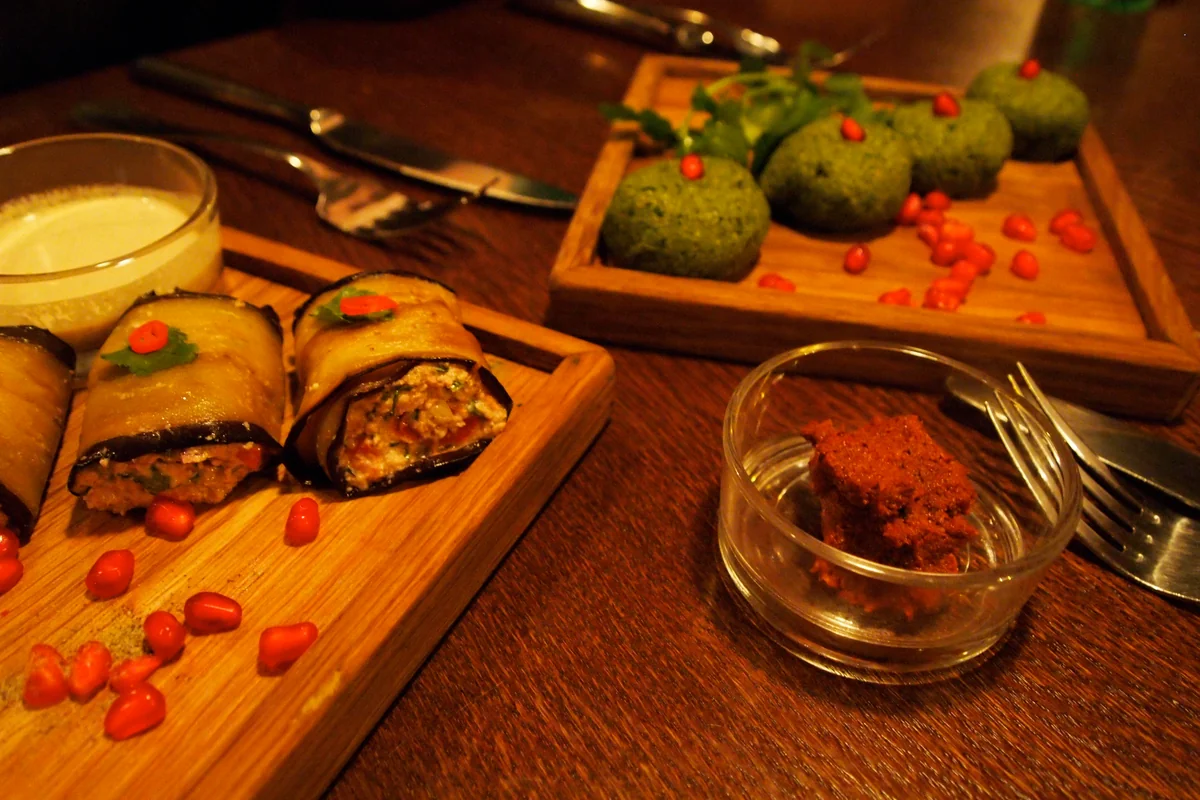
البخالي هو فئة من المقبلات النباتية الفريدة والملونة التي تبرز عشق الجورجيين للجوز. يتم فرم الخضروات—أشهرها السبانخ، الباذنجان، الملفوف، أو الشمندر—وتُخلط مع معجون غني من الجوز المطحون، الخل، البصل، الثوم، والأعشاب الطازجة.
تُشكل عادة على هيئة كرات أو أقراص صغيرة ملونة وتُزين بحبات الرمان الحمراء الزاهية، وتُقدم باردة كمقبلات. يُعد البخالي جزءاً أساسياً من مائدة الـ "سوبرا" (الوليمة الجورجية) وهو مثالي للمشاركة، كما أنه خيار صحي وممتاز للنباتيين.
تشورتشخيلا (Churchkhela)
لا تكتمل أي جولة طهي في جورجيا دون تذوق الحلوى، وتشورتشخيلا هي بلا شك ملكة الحلويات الجورجية. يشار إليها غالباً باسم "سنيكرز الجورجي"، وتُصنع هذه الحلوى اللافتة للنظر والتي تشبه الشموع من خلال تمرير خيط في الجوز، أو البندق، أو اللوز، ثم غمسها بشكل متكرر في مزيج كثيف من عصير العنب المركز والدقيق يُعرف باسم "تاتارا" أو "بيلاموشي".
بعد تغطيتها، تُعلق لتجف في الشمس. إنها ليست لذيذة فحسب بل مغذية للغاية وتدوم لفترة طويلة، وقد استُخدمت تاريخياً كوجبة خفيفة عالية الطاقة للمحاربين والرعاة. ستراها معلقة في باقات ملونة في الأسواق في جميع أنحاء البلاد.
خيارات نباتية
بينما تحظى أطباق اللحوم مثل متسفادي وخينكالي اللحم باهتمام كبير، فإن المطبخ الجورجي يرحب بشدة بالنباتيين. بسبب تقاليد الصيام الأرثوذكسية، تقدم العديد من المطاعم قوائم طعام نباتية واسعة النطاق. بالإضافة إلى لوبيو و بخالي، تأكد من تجربة أجابصندالي (Ajapsandali)، وهي يخنة غنية بالباذنجان والطماطم والفلفل الحلو.
يجب على محبي الفطر طلب الفطر المشوي في فخارة الـ "كيتسي" (Ketsi)، والذي يُقدم غالباً مع جبن سولغوني الذائب. وبالطبع، جميع أشكال خاتشابوري تقريباً خالية من اللحوم، مما يجعل جورجيا وجهة مثالية ومفاجئة للمسافرين النباتيين.
الأسئلة الشائعة
هل الطعام الجورجي حار (حريف)؟
الطعام الجورجي بشكل عام ليس شديد الحرارة، ولكنه غني جداً بالنكهات. يعتمد بشكل كبير على الأعشاب مثل الكزبرة والبقدونس، إلى جانب الثوم والجوز. بعض الإضافات مثل صلصة "أجيكا" (Adjika) قد تكون حارة، لكن الأطباق الرئيسية غالباً ما تكون معتدلة.
ما هي مائدة "السوبرا" الجورجية؟
"السوبرا" (Supra) هي وليمة جورجية تقليدية تتميز بوفرة الطعام والشراب والخطب الاحتفالية (الأنخاب) التي يقودها شخص يسمى "تامادا" (Tamada). إنها حجر الزاوية في الثقافة والحياة الاجتماعية الجورجية.
هل آكل الخينكالي بالشوكة والسكين؟
لا! تناول الخينكالي بأدوات المائدة أمر غير محبذ في جورجيا. يجب أن تأكلها بيديك، مع إمساكها من العقدة العلوية التي تُترك عادة في الطبق بعد الانتهاء.